
Reliable Hot Water From Properly Sized Systems
Water heater replacement in Coeur d Alene for failed units, efficiency upgrades, and capacity improvements
Water heaters typically last 8 to 12 years before tank corrosion, sediment damage, or component failures make replacement more economical than continued repairs. When a water heater begins leaking from the tank body or can no longer maintain temperature despite new elements and thermostats, the unit has reached the end of its service life. North Idaho Patriot Plumbing Co. LLC replaces aging water heaters before catastrophic failures flood basements or utility rooms, and helps customers select properly sized replacements that match household demand without oversizing and wasting energy on heating unused capacity.
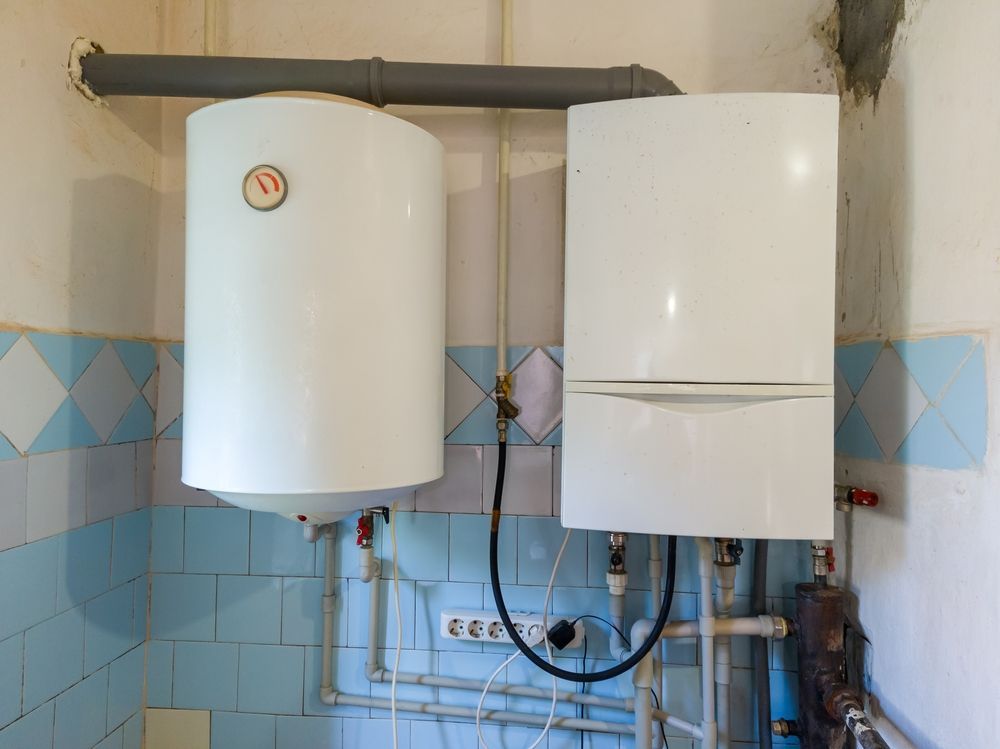
Replacing a water heater means disconnecting power or gas supply, draining the old tank completely, removing supply and discharge piping, and extracting the unit from spaces where clearances make maneuvering difficult. New installations require setting the tank on a stable platform, connecting supply lines with dielectric unions that prevent galvanic corrosion between dissimilar metals, installing a new temperature and pressure relief valve, and running a discharge tube to an appropriate drainage point. Gas water heaters need properly sized venting to exhaust combustion gases safely, while electric models require verification that circuit breakers and wire gauge match the unit's electrical demands.
Request a replacement evaluation to review sizing requirements and energy efficiency options for your property.
What Proper Water Heater Installation Accomplishes
Installing a new water heater involves calculating first-hour rating requirements based on peak usage patterns, ensuring adequate clearances for combustion air and service access, and verifying that existing fuel supplies and electrical circuits support the new unit's specifications. A 40-gallon tank suits most two-person households while families of four or more typically require 50 gallons or larger, though actual needs depend on bathing habits and appliance usage. High-efficiency models with improved insulation and advanced combustion systems reduce standby heat loss and operating costs compared to standard units, recovering the price premium over their service life.
After installation, you'll notice consistent hot water delivery that matches household demand without temperature fluctuations, quieter operation from tanks without sediment buildup, and lower energy bills from improved insulation and combustion efficiency. The new unit heats incoming water to set temperature reliably, maintains that temperature during standby periods without excessive cycling, and recovers quickly after high-demand events like multiple showers or laundry loads. Properly installed water heaters remain accessible for future maintenance while meeting code requirements for seismic strapping, venting, and drainage.
Water heater replacement includes removing the old unit and installing the new system with proper connections, but does not include relocating the installation to a different area or upgrading electrical panels to support larger units unless arranged separately. Homeowners switching from tank to tankless systems should understand that tankless units require different venting, gas line sizing, and electrical configurations that may involve significant additional work. Properties with hard water benefit from installing sediment filters or water softeners during replacement to protect the new tank from accelerated mineral accumulation.
What Property Owners Usually Ask
These questions help clarify replacement timing and equipment selection for residential and light commercial properties.
What signals a water heater needs replacement rather than repair?
Active leaks from the tank body, rust-colored water indicating internal corrosion, and age beyond 10 years combined with declining performance all suggest replacement provides better value than investing in repairs for a failing tank.
How is water heater capacity determined?
First-hour rating matters more than tank size because it accounts for both stored hot water and the unit's ability to reheat during use, with typical households requiring 60 to 80 gallons of first-hour capacity during peak morning demand.
When does upgrading to a larger capacity make sense?
Households experiencing insufficient hot water despite a functioning unit may have undersized tanks for current usage, particularly after adding bathrooms or high-demand appliances, or when morning routines have changed to require more simultaneous hot water delivery.
Why do installation costs vary for water heater replacement?
Factors include whether the fuel type remains the same or switches between gas and electric, accessibility of the installation location, local code requirements for venting and seismic restraint, and whether existing supply lines and electrical circuits need upgrading to support the new unit.
What maintenance extends water heater life in Coeur d Alene?
Annual flushing removes sediment that accelerates tank corrosion and reduces efficiency, while checking and replacing anode rods before they fully dissolve protects the tank lining from corrosion in the region's moderately hard water.
North Idaho Patriot Plumbing Co. LLC handles water heater replacement with proper sizing and installation that delivers years of reliable performance. Contact (208) 667-1500 to discuss replacement options when your current system approaches the end of its service life.